



Mesotherapy for Face is a series of multiple intradermal injections of very small quantities of hyaluronic acid and/or vitamins, minerals or other active ingredients using a very fine needle directly into and around the areas to be treated. In anti-ageing for example the product is injected along wrinkle lines over the face, neck, chest area and back of the hands. Anti-ageing mesotherapy can be carried out either manually using a syringe and small needle or with a mesotherapy gun. This procedure may be applied to all skin types for anti-ageing treatments or to slow the onset of fine lines and wrinkles.
- About Us
- |
- Contact Us
- |
- Location Map
- |
- Book Appointment
- |
- |
- Blog
- |
Mesotherapy for Face
What is Mesotherapy?
Advantages of Mesotherapy
Mesotherapy for Face is a safe technique. Mesotherapy for Face Solution is placed directly into the target area thus minimizing side effects, allergies and drug interaction. It us also is an effective alternative for the treatment of cellulite, localized fat deposits, and alopecia and face/neck rejuvenation. Unlike surgery, Mesotherapy is virtually painless, requires no post-operative recovery time, requires no heavy bandages or girdles, and no anesthesia is necessary. While many surgical procedures require one to two weeks of recovery, patients undergoing Mesotherapy have no interruptions to their daily life, while obtaining natural cosmetics rejuvenation.
Mechanism of Action
Mesotherapy for Face employs both the physical (mechanical) and the chemical stimulation of circulatory competence unit, nervous competence unit, immune competence unit, and fundamental competence unit within dermis and subcutaneous tissue, which promotes the body’s circulatory, lymphatic, and immune system to create a biological response and reverse abnormal physiology. Solutions injected intradermal remain in the injected area longer compared to subcutaneous injection, and act as a natural time-release agent for up to 7 days, the injected solutions act to adjacent problematic tissues by continuing to diffuse into the deeper tissues.
The technique involves the injection of substances to stimulate the mesoderm for various biological purposes. For instance, if the circulation is poor, a vasodilator is used; if excessive inflammation is present, an anti-inflammatory medication is used; or if inflammation/stimulation is needed; a fibroblast proliferating solution is injected. Conditions such as cellulite are due to lymph veno lymphatic insufficiency, therefore a stimulator of venous and lymph flow is used.
Medications used in Treatment
Substances administered in Mesotherapy for Face are pharmaceutical drugs, nutrients (vitamins, minerals, amino acids), plant extracts, and homeopathic agents. Commonly used medications are vasodilators, anti-inflammatory agents, muscle relaxants, lipolysis, photolytic enzymes, vaccines, and hormones. These compounds are often combined in cocktails with or without local anesthetics (procaine or lidocaine). All medications used are FDA-approved for their use. In combination, some medicines for Mesotherapy are used for ‘off-label’ purposes. A recent illustration of this distinction is injection. Although injection was FDA approved for controlling muscle spasms, the medical community embraced it for its cosmetic properties of controlling wrinkles. For many years, plastic surgeons and dermatologists used injection for off-label purposes.
Mesotherapy treatments are typically given once per week. As improvement is seen, the treatments may be given less frequently, such as once every two weeks or once per month. The wide use of Mesotherapy, even by unqualified personnel, may be responsible for systemic and local side-effects, very often due to incorrect use of drugs and to errors in procedure. Above all this alternative medical process has been associated with the development of atypical mycobacterium infection, due to lack of aseptic measures.
General Considerations
Before Mesotherapy
- Confirm whether any allergy or skin problems (atopic dermatitis, infectious diseases) are present through medical interview and physical exam
- Diagnose areas for treatment
- Set goals
- Determine the schedule: frequency & duration
- Patient Education
- Do not put any creams, body lotions, cosmetics on the treatment area on the treatment day.
- Wear clean clothes and avoid tight jeans.
- Stop taking medications such as aspirin, NSAIDs, dipyridamol, etc. 48 hours before procedure.
After Mesotherapy
- Bruises or slight swelling may appear at the injection sites.
- Healthy diet and regular exercise are encouraged.
- Results are fairly constant for changes in skin appearance and circulatory improvement.
- Results are variable for volume loss in suppression of localized fat cells depending on the extent of the problem areas. The changes in fat loss are very patient specific
- Patient Education
- Do not take a bath or shower within 12 hours after treatment
- Do not get the procedures such as iontophoresis, ultra-sonolysis, electro stimulations, etc. within 72 hours.
Other Mesotherapy Treatments

Mesotherapy for Hair
Not only stopping hair fall but also stimulating a new hair growth and increase its thickness. This kind of meso supplies the hair bulb with all the nutritive minerals in need for like cystaine, polypeptides. Also its composition of zinc enables it to delay the progress of androgenic alopecia, the very frustrating disease
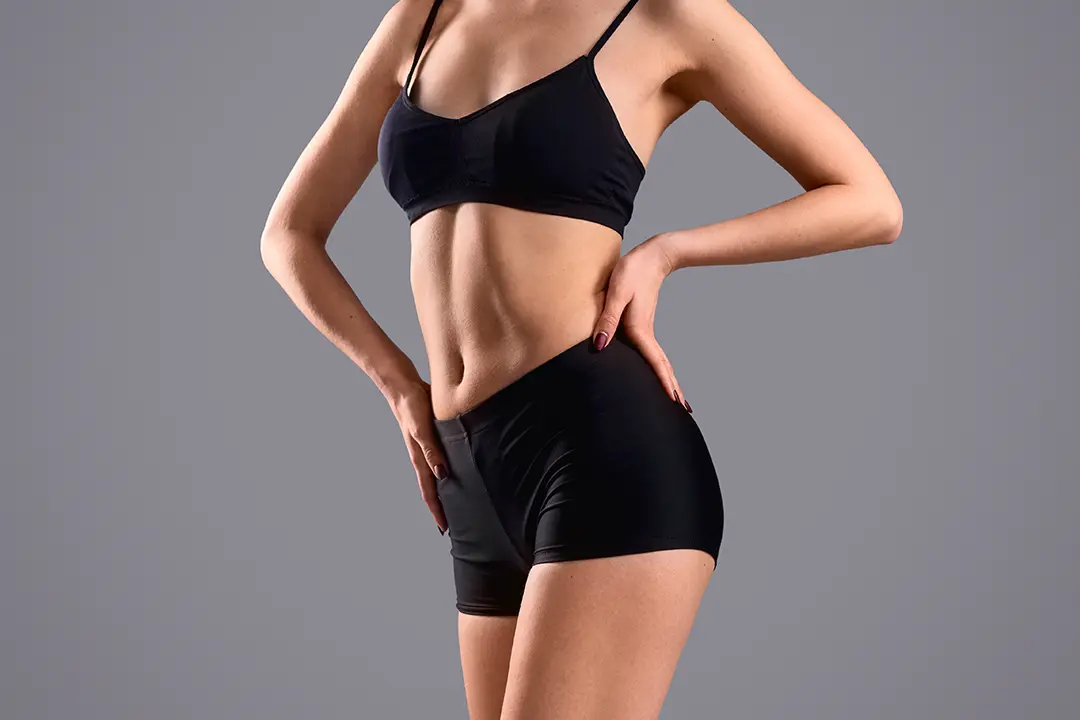
Mesotherapy for Fat
We can rely on our mother nature in treating local obesity. With the magic of Phosphatidylcholin (derived from soya) which increases the permeability of fat cells membranes leading to destroy these cell and to transform the solid fat to more soluble nature which is more easy to eliminate from the body resulting in body contouring and reducing local obesity, and cellulite.
Feel your best.
Look your best.
Explore advanced skin, beauty, and body care treatments designed to rejuvenate, enhance, and restore your confidence at Dr. Kamil Al Rustom Skin & Laser Centre.